Selling a vehicle directly to a dealership is one of the quickest, most straightforward ways to move on to your next ride. Skipping private buyer messages, safe meeting spot arrangements, and stacks of DMV paperwork makes the trade-in or direct sale process remarkably simple.
Understanding how the process works step-by-step ensures you walk into the showroom prepared, confident, and ready to get the true market value for your vehicle.
Step 1: Research and Know Your Car's Value
Before bringing your car in for an evaluation, getting a clear picture of today's market value is the best place to start. Used vehicle values adjust based on regional demand, current gas trends, mileage, and vehicle condition.
Checking independent pricing resources gives you an accurate baseline for negotiation. You can consult trusted industry guides like Kelley Blue Book to see what similar models are selling for based on your trim level, options, and overall history.
Step 2: Gather Your Required Paperwork
Having all necessary documents organized ahead of time prevents administrative delays and ensures a quick payout or seamless trade-in transition:
Vehicle Title or Loan Payoff Statement: If you own the car outright, bring the physical title. If you still owe on an auto loan, ask your lender for a 10-day payoff statement. The dealership handles paying off your existing lien and transferring the remaining balance or equity.Valid Photo ID and Registration: Ensure your government-issued ID matches the name on the registration and title.Maintenance Records: Having receipts for regular oil changes, tire rotations, and recent repairs proves your vehicle was well cared for and helps protect its appraised value.All Keys and Accessories: Bring along all key fobs, spare keys, owner manuals, and cargo covers. Missing keys can reduce the overall offer value, as key fob replacements can be costly.
Step 3: Clean and Prep Your Vehicle
A thorough cleaning inside and out creates a great first impression during appraisal:
- Clear out all personal belongings from the glovebox, center console, trunk, and door pockets.
- Wash the exterior and vacuum the seats and carpets.
- Reset your digital infotainment system to erase saved home addresses, paired Bluetooth devices, and personal data.
- Address quick fixes, such as replacing a burnt-out headlight or topping off essential fluids.
Step 4: The In-Person Appraisal and Offer
Once you arrive at the dealership, a pre-owned manager will complete a physical inspection and test drive. They will check the exterior body, mechanical condition, tire wear, and vehicle history report.
After evaluating local market conditions and your vehicle's overall shape, the dealership presents a written appraisal offer. These offers are typically valid for several days, giving you time to think it over with zero pressure to accept right away.
Step 5: Finalize the Paperwork and Collect Payment
If you accept the appraisal offer, finalizing the sale takes very little time:
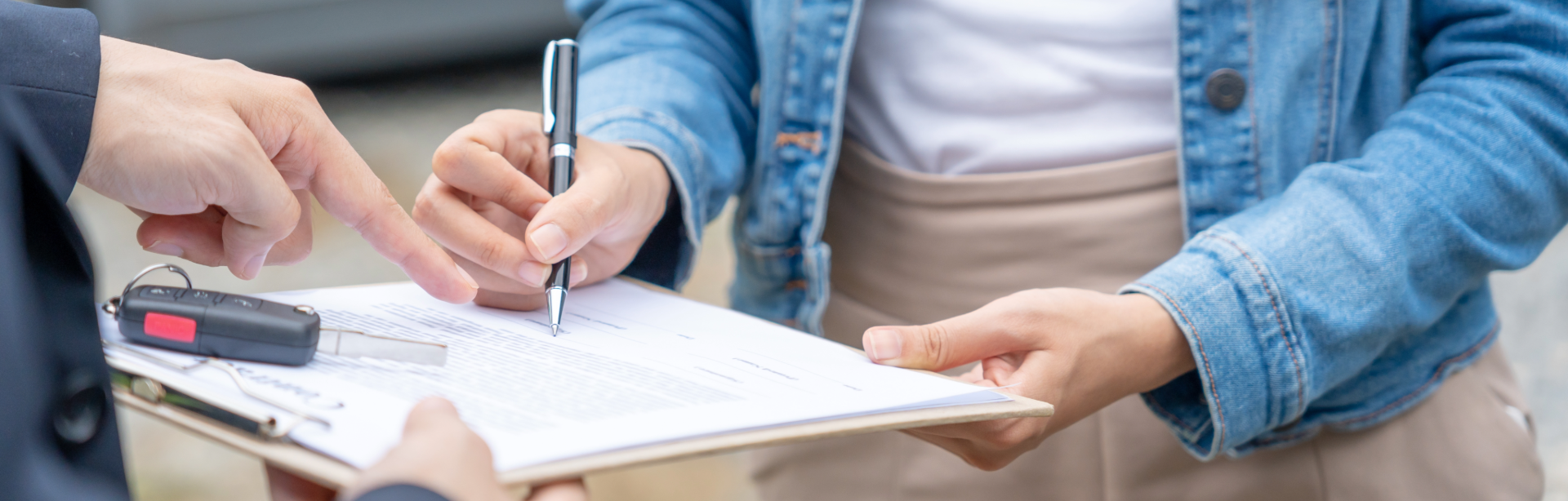
Completing the Ownership Transfer: You will sign the title transfer paperwork and odometer disclosure forms.Receiving Equity or Payment: If the car is worth more than what you owe on your loan, the remaining equity can be issued directly to you via check or applied as a down payment toward another vehicle.State Reminders: Remember to remove your Virginia license plates before handing over the keys, notify the Virginia DMV that you have sold or traded the vehicle, and contact your auto insurance provider.
Simple Selling at CMA's Valley Honda
If you are ready to sell your car without the hassle, our team at CMA’s Valley Honda is always here to make the process completely stress-free. We buy all makes and models from drivers throughout Staunton and Augusta County, offering transparent market appraisals and fast paperwork. Stop by our showroom or get started online today to see how easy selling your car can be.